
The Cross and Competing Meanings
Native SonThis thread follows the cross as a contested symbol of salvation, racial terror, and Bigger Thomas’s refusal of consolation.
increasing Bearing strength in each event
 decreasing
Bearing strength in each eventdecreasingThe Preacher’s Cross

A Symbol of Suffering
A gift of faith
Reverend Hammond gives Bigger a wooden cross and describes Jesus’s suffering as a way through a hostile world. The symbol offers a narrative of endurance and salvation beyond earthly injustice.
A message Bigger resists
Bigger feels the force of the story but does not accept its terms. The cross carries a promise he needs and fears, because accepting it seems to require submission to a life he cannot affirm.
The Mob’s Burning Cross
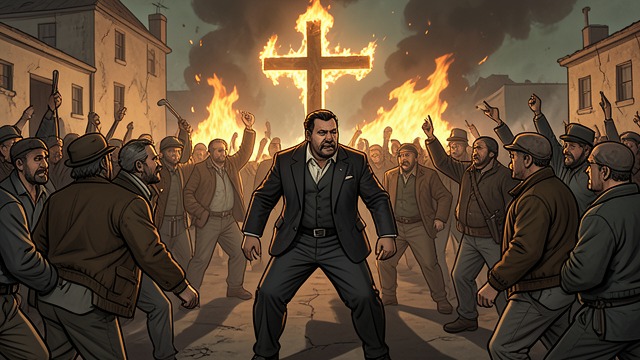
The Symbol Turns Violent
A cross above the crowd
Bigger sees a burning cross as the mob surrounds him. He understands it as a sign of the Ku Klux Klan and a warning of racial hatred.
Two meanings collide
The burning symbol is not the preacher’s image of meekness and love. Its presence makes Bigger feel that the religious promise offered in jail has been contradicted by the world outside.
The Cross Thrown Away
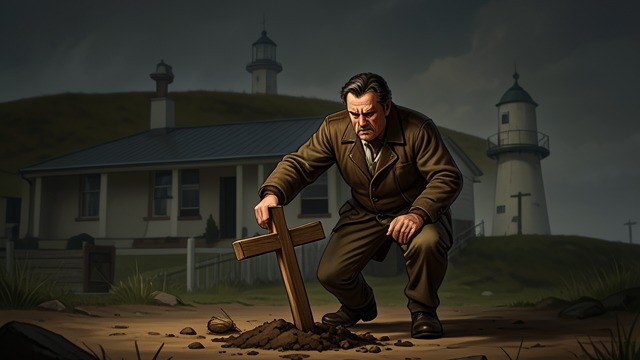
Refusal of Consolation
A rejection in public
Bigger tears the cross from his throat and throws it away, telling the guards he can die without it. The act follows the mob’s display and his sense of betrayal.
Autonomy through refusal
Rejecting the cross does not make Bigger secure or free. It is one of the few ways he can refuse the interpretation others would impose on his suffering.
Religious Appeals Continue

Consolation Rejected Again
Clerical visits
Bigger turns away from Reverend Hammond and a white priest, refusing prayers and the assurances of religious forgiveness. He wants no account of life after death to replace the life he has lost.
Faith cannot be compelled
His refusal frustrates those who want to comfort or discipline him, but it also reflects his insistence that consolation must answer his actual experience. The religious figures cannot make their language meaningful by repetition alone.
A Different Kind of Meaning
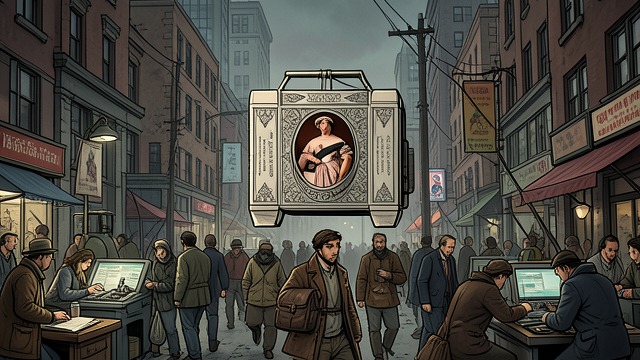
Secular Recognition
Life before doctrine
Max speaks of desire, work, and the human effort that sustains the city rather than promising supernatural rescue. Bigger responds to the idea that his own feelings connect him to other people.
No settled faith
Bigger’s final self-affirmation is not a return to the preacher’s belief. The novel leaves him with a partial, earthly sense of meaning that remains uncertain as he approaches death.
During Reverend Hammond’s visit to Bigger’s cell
During the return from Dalton family residence after the inquest
After Bigger is returned to his cell
After Bigger receives his death sentence
During the final visit from Max
